
Exploring the psychological impact of high-stakes gambling on players
The allure of high-stakes gambling
High-stakes gambling attracts many players due to the thrill and potential for substantial financial gain. The atmosphere is often electric, filled with anticipation and excitement. This environment significantly influences players’ psychological states, creating a unique interplay between risk, reward, and emotional stimulation. For many, the chance to win big serves as a powerful motivator, masking the potential negative repercussions of their choices.
Many players often find themselves drawn into a cycle of risk-taking behavior, where the desire for instant gratification can lead to misplaced priorities. The prospect of a significant win can sometimes overshadow negative outcomes, leading players to make irrational decisions. For those interested in exploring gaming options online, nz online pokies provide a convenient avenue for experiencing the thrills of high-stakes gambling from the comfort of their homes.
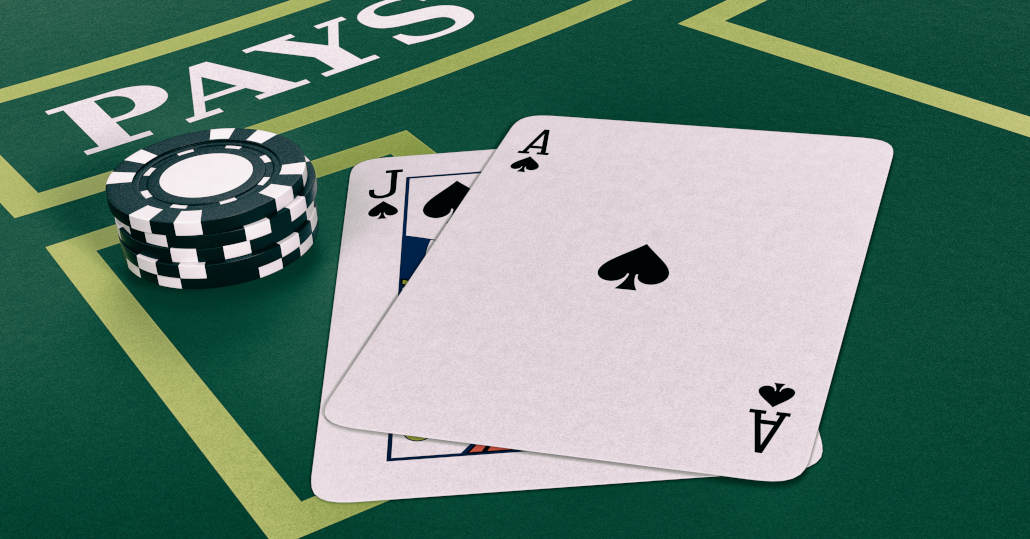
Winning in high-stakes gambling can lead to a surge of dopamine, creating a euphoric experience for players. This chemical release can reinforce gambling behavior, making players desirous of replicating that joyful feeling. As a result, they may chase further wins, often leading to impulsive betting and an inflated sense of self-confidence. This reward system can solidify gambling as an alluring escape, reflecting deeply on a player’s psychological landscape.
However, such wins can also lead to an overestimation of one’s abilities, cultivating a distorted view of luck. When success seems achievable, players may disregard fundamental gambling principles, increasing the likelihood of significant losses. The cycle of winning and losing can take a toll on mental health, leading to anxiety, depression, and compulsive gambling behaviors.
Losses in high-stakes gambling can profoundly affect an individual’s psychological state. Players may experience a range of negative emotions, including regret, shame, and frustration. These feelings can spiral into a vicious cycle where players gamble more in an attempt to recover losses, often leading to worsening financial and emotional situations. This pursuit of retrieval can cloud judgment and lead to increasingly reckless gambling decisions.

Additionally, the psychological burden of loss can manifest in broader life contexts, affecting relationships and daily routines. The obsession with gambling outcomes can create emotional distance from loved ones and hinder personal development. Recognizing these adverse effects is crucial for anyone involved in high-stakes gambling.
To combat the psychological impact of high-stakes gambling, players can adopt several coping mechanisms. Setting strict limits on time and money can help mitigate the risks involved in gambling. Engaging in self-reflection and seeking alternative sources of fulfillment can also assist players in moving away from compulsive behaviors. Developing healthy habits outside of gambling serves as a buffer against its psychological consequences.
Support networks can be invaluable for those grappling with gambling-related issues. Open discussions about experiences can foster understanding and mitigate feelings of isolation. Professional counseling or support groups can provide tailored strategies for coping with losses and developing healthier gambling habits.
This website aims to enlighten readers about the nuanced psychological effects of high-stakes gambling. By exploring varied perspectives, we strive to promote a better understanding of the direct and indirect impacts of gambling behaviors on mental health. Through extensive research and analysis, we provide insights that serve to inform and educate those interested in gambling.
We encourage responsible gambling and advocate for awareness of its consequences. Our mission is to support those dealing with gambling challenges and provide resources to help them make informed decisions. By fostering a deeper understanding of the complexities involved, we hope to contribute positively to discussions surrounding high-stakes gambling.